
If you manage a medical office, you've probably wondered whether your disinfectant is killing germs or just making counters shine. The answer usually comes down to contact time: how long the product stays on a surface before it's wiped off or dries. Read on for a quick check you can run with a phone timer and a short set of questions that show whether your medical office cleaning provider, like Live Oak Commercial Cleaning Solutions in Cumming, actually manages it.
What contact time means for your clinic
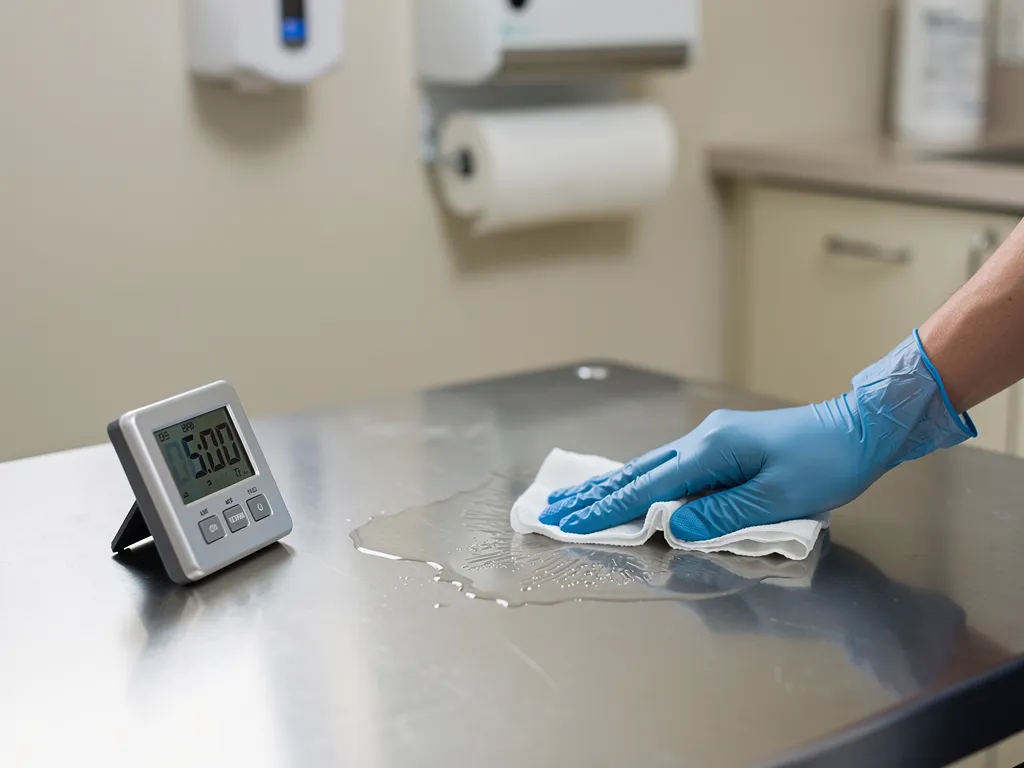
Contact time, also called dwell time, is how long a disinfectant has to stay on a surface to kill the germs listed on its label. If the surface dries or gets wiped early, the product may not deliver what the label promises.
The EPA's 2020 one-page guide, 6 Steps for Safe & Effective Disinfectant Use, was written during COVID-19 but still describes how disinfectant labels work. It tells users to find the product's EPA registration number, check the directions for approved use sites and surface types, wash visibly dirty surfaces first, and then follow the contact time listed in the directions.
One detail catches a lot of people. Guidance from the Oregon Department of Agriculture explains that the required contact time depends on both the product and the organism you want to kill. So check the time listed for the germ you're worried about, not just the first number on the label.
Four common reasons a wipe-down falls short
In medical offices, disinfection usually falls short for one of four reasons. The surface dries too soon, it wasn't clean first, the product isn't approved for that surface, or nobody clearly owns the task.
The surface dries before the time is up
Clinic ventilation can make surfaces dry early. PDI, a disinfectant manufacturer, notes in its product guidance that airflow, temperature, humidity, and surface material can all cause early drying, which it calls not uncommon in healthcare spaces with high air exchange and low humidity.
For example, a counter under a supply vent may dry faster than one across the room. The timed check below shows you which surfaces those are.
The surface wasn't clean first
Disinfectant has to reach the surface to work. Dried residue on a check-in counter or exam table can get in the way. That's why the EPA's guide calls for washing the surface with soap and water first if the directions mention pre-cleaning or the surface is visibly dirty.
The product isn't approved for that surface
Labels list the surfaces a product is approved for. A disinfectant meant for hard, nonporous surfaces won't deliver its label claims on upholstered waiting room chairs. Using one product everywhere is convenient, but it often means using it outside its label.
Nobody clearly owns the between-patient wipe-down
Your cleaning crew may handle the suite after hours, but turnover cleaning during clinic hours often falls to clinical staff. Health Facilities Management magazine notes that in outpatient settings, cleaning between patients is often a nursing function. When two groups share a task without a clear handoff, contact time is easy to skip.
CDC's Infection Prevention Checklist for Outpatient Settings expects written policies for routine cleaning and disinfection that identify who is responsible, along with job-specific training and competency checks for environmental services staff at hire and whenever procedures change.
Do wipes need to stay visibly wet?
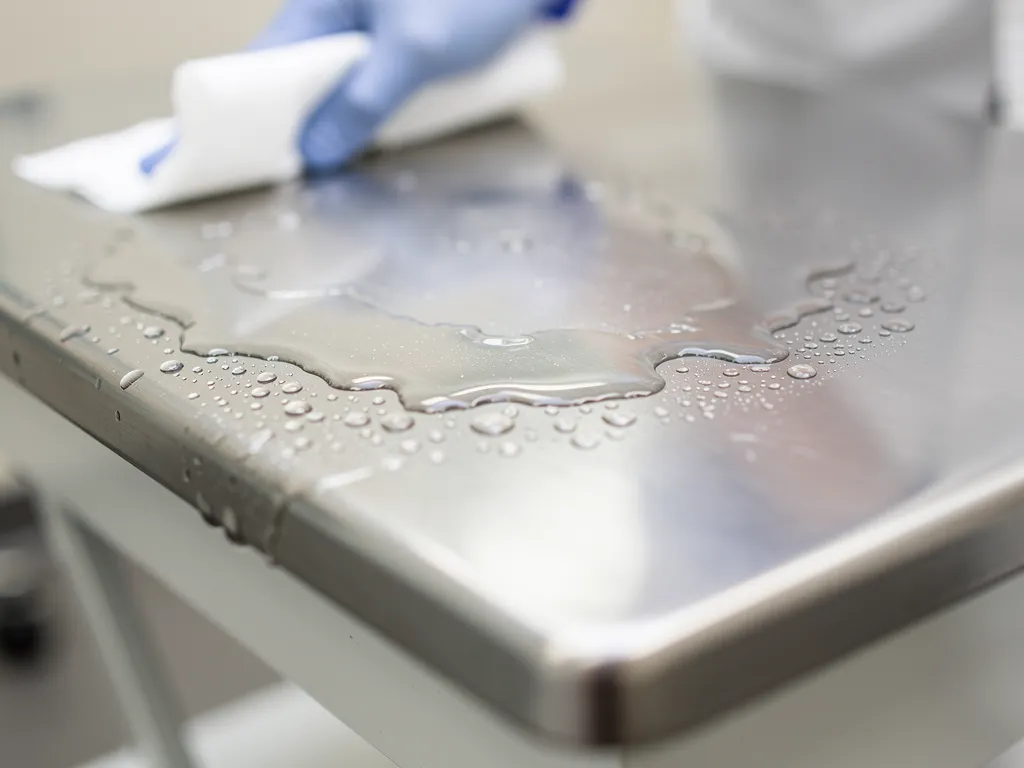
Follow the label. Researchers disagree about wipes, but the safest practice is still the product's own directions.
Here's where the debate comes from. William Rutala and David Weber of the UNC Statewide Program for Infection Control and Epidemiology explained in 2018 that liquid disinfectants are lab-tested in a way where contact time means wet time, while wipes and sprays are tested differently and have a treatment time without a wet time.
In 2018, the patient safety organization ECRI noted that laboratory studies questioning the danger of visible wetness inside steam-sterilized instrument packs had been challenged and were not universally accepted, advising facilities to continue treating wet packs as contaminated. Separately, regarding environmental surface cleaning, the report stressed that healthcare facilities must follow device manufacturers' validated cleaning instructions, ensuring that detergents and disinfectants are compatible and used for their required wet contact times to prevent device malfunctions and infection risks.
What that means day to day:
If a provider says their method works faster than the label, ask for the manufacturer's written guidance.
How to check contact time in your own clinic
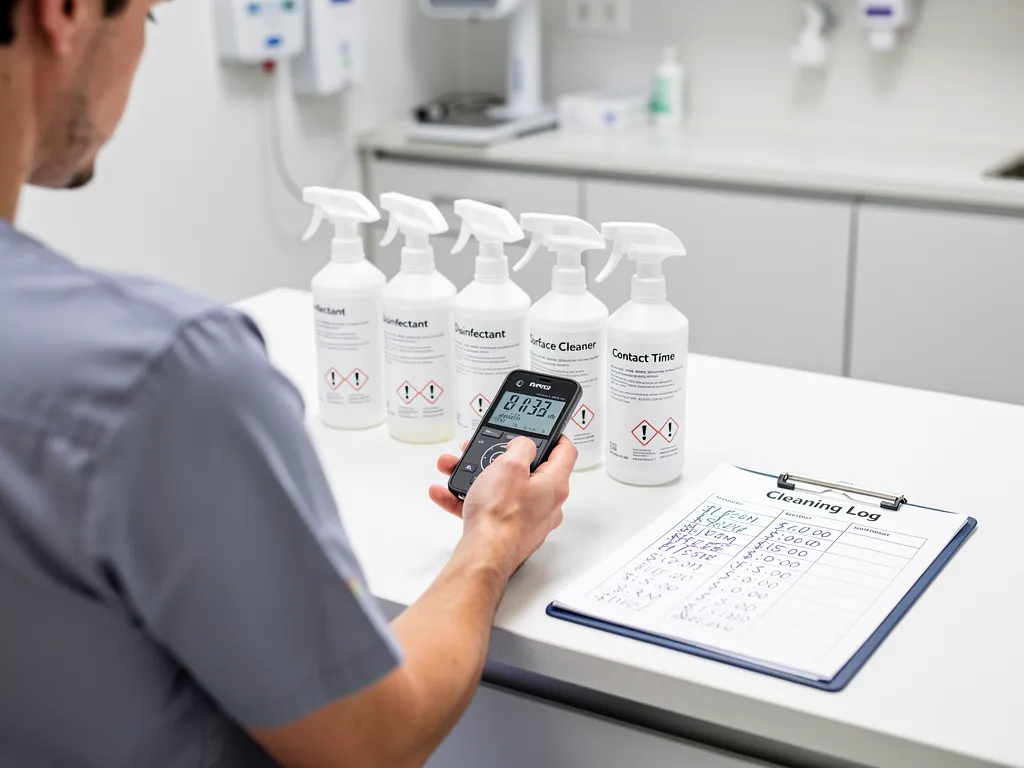
You can check contact time in one walk-through with the products you already stock and a phone timer.
List every disinfectant in the building, including the cleaning closet and break room, and note each product's EPA registration number.
Write down each label's contact time and the germ that time applies to.
Compare each label's approved surfaces with where staff actually use the product.
Apply each product the way your staff normally does, start a timer, and note when the surface looks dry. Test spots near vents and high-touch areas such as exam tables and door handles.
Flag any surface that dries before the label time. That surface needs a different product, a second application, or a different method.
Add the results to your written cleaning policy, including who cleans which surfaces and with which product.
Questions to ask your cleaning provider
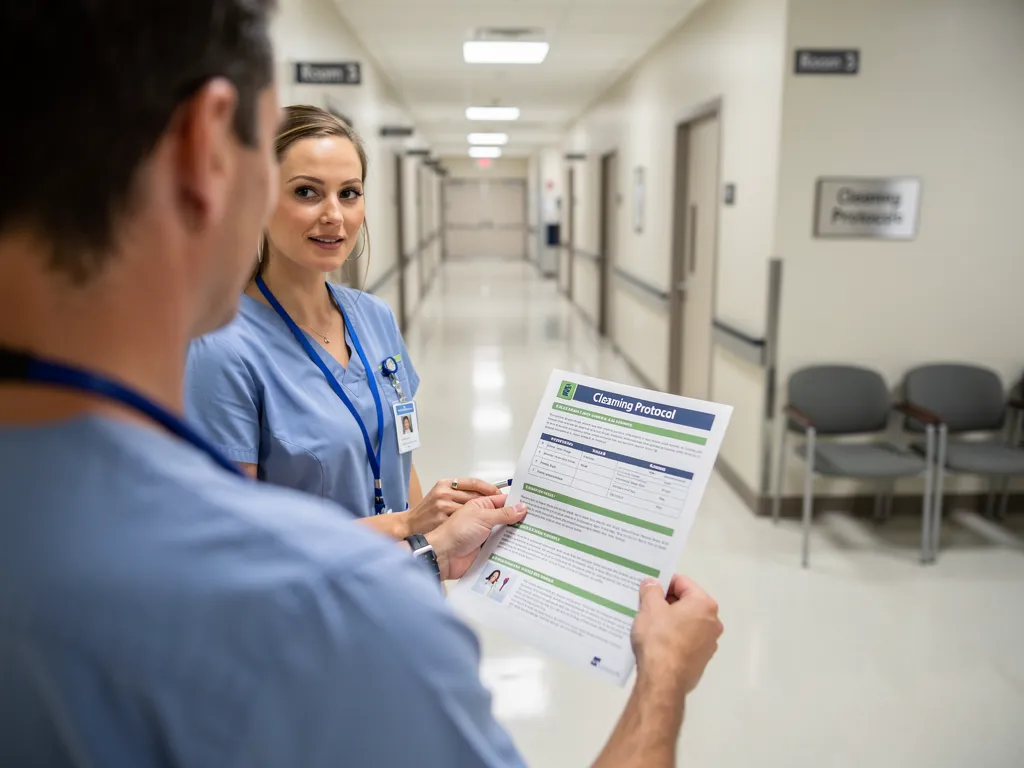
A provider who manages contact time can answer these quickly and put the answers in writing.
That last question matters if your practice cares about chemical exposure for patients and staff. EPA says its Design for the Environment logo identifies antimicrobial products that meet the health and safety standards of the federal pesticide registration process plus additional EPA criteria. Like any disinfectant, these products can claim to kill germs only if EPA has approved their lab efficacy data. You don't have to give up effectiveness to choose a lower-hazard product.
How contact time fits a clinic cleaning program
Contact time is one part of a larger cleaning program. That program also covers which areas get cleaned how often and who checks the work. Contact time checks belong inside your routine cleaning program so they happen on every visit, not just after a problem.
If you're comparing providers, see how a locally owned team handles medical office cleaning in Cumming for non-surgical practices. Live Oak pairs eco-friendly green cleaning with professionally trained staff and on-site supervision. One clinic client, Rebalance Wellness Clinic, said the team showed "professionalism and attention to detail."
Make every wipe-down count
A surface is disinfected when the right product stays on a clean surface for the full time on its label. Fast-drying air and unclear handoffs make that harder than it looks in a medical office, but both are easy to check. Run the timed walk-through, then write what you find into your cleaning policy.
If you'd like help, our process starts with an in-person visit to see your space, followed by a custom quote. And if we ever fall short of your expectations, we'll make it right, no questions asked. Request a free quote from Live Oak Commercial Cleaning Solutions or call (770) 758-8604, and we'll walk your suite with you. You'll find our office at 102 Mary Alice Park Rd, Ste 505, Cumming, GA 30040.
About the Author
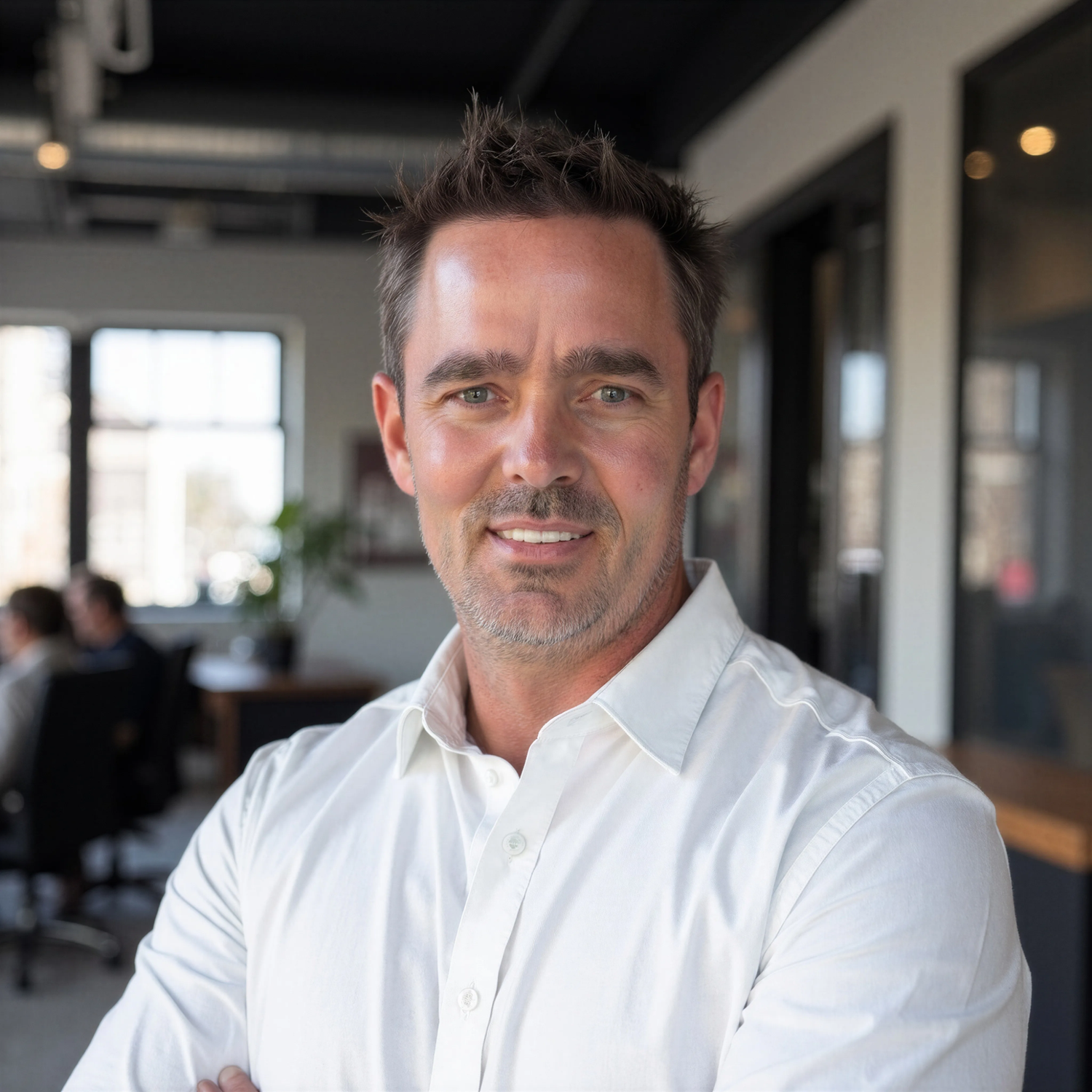
Micah Purvis is the owner of Live Oak Commercial Cleaning Solutions, a locally owned commercial cleaning company based in Cumming, GA. He works hands-on alongside his crews. The company serves offices, non-surgical healthcare clinics, schools, restaurants, and other commercial facilities across North Metro Atlanta.
This article is general information about environmental cleaning. It isn't medical, legal, or regulatory advice. Always follow product labels and your facility's infection prevention policies, and consult your infection prevention lead for compliance decisions.