
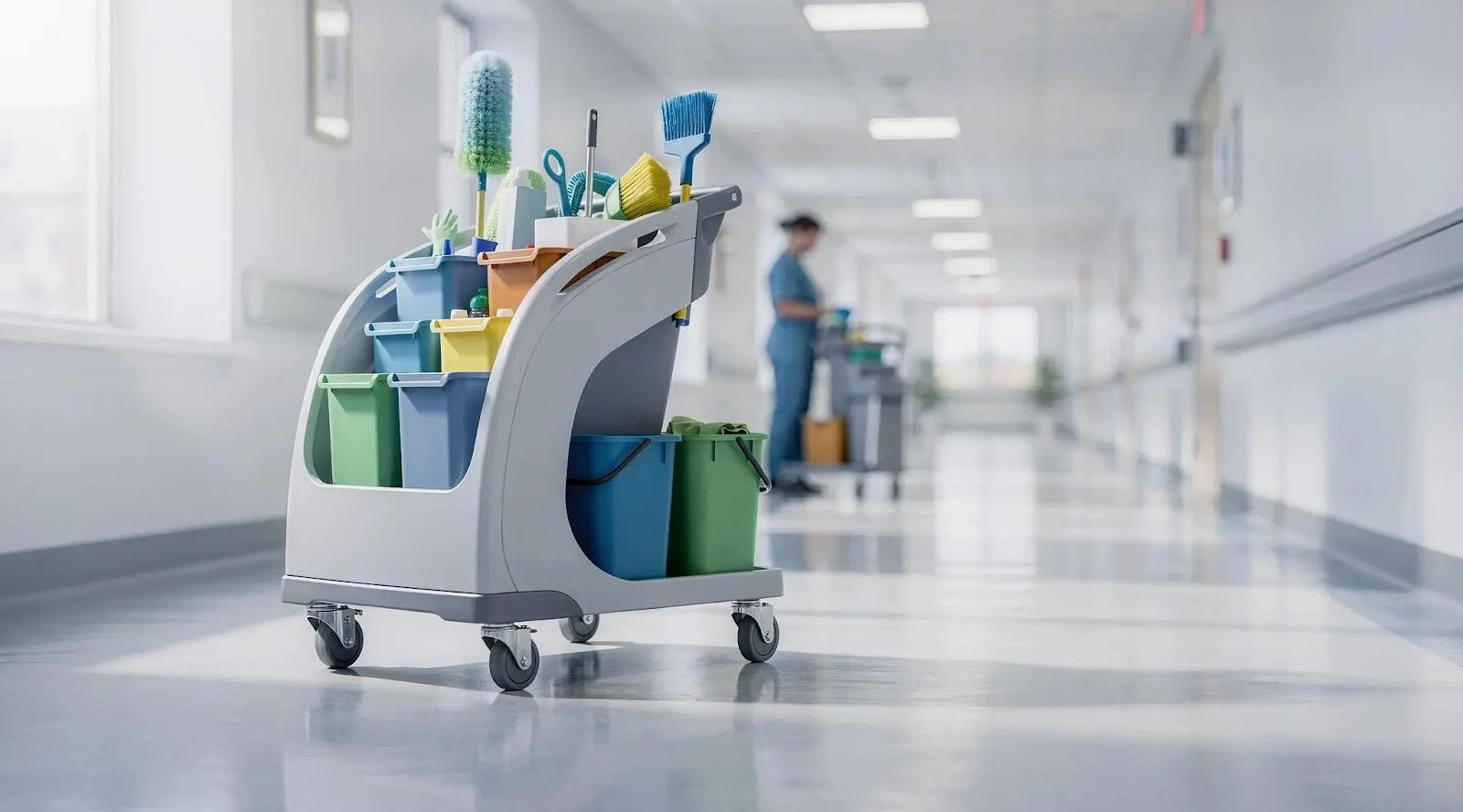
The integrity of a medical environment depends on consistent disinfection and strict adherence to regulatory standards. Modern healthcare facility management requires a level of agility that traditional janitorial models often lack. Transitioning to a model that prioritizes adaptability allows your practice to maintain the highest standards of safety. This guide provides the specific knowledge required for healthcare administrators to secure medical office cleaning that scales with their needs while maintaining uncompromising OSHA and CDC compliance.
Auditing Your Current Medical Office Cleaning Cadence
Optimizing your facility care begins with a rigorous assessment of your current janitorial performance. Many healthcare administrators realize their existing contracts create hygiene gaps. High-touch surfaces in waiting areas require more frequent attention than administrative offices with minimal foot traffic.
A successful audit requires mapping your clinic into "hot zones" based on patient flow and clinical risk. According to the CDC Guidelines for Environmental Infection Control, the frequency of cleaning should be based on the risk of transmission and the level of surface contamination.
The Room-by-Room Risk Assessment
A dependable partner categorizes every square foot of your facility by its potential for pathogen transmission.
Zone A (High Risk): Exam rooms, laboratories, surgical suites, sterile procedure rooms, and restrooms require high-level disinfection (HLD) after every session.
Zone B (Moderate Risk): Waiting rooms and reception desks require frequent "touch-point" cleaning focusing on armrests, door handles, and kiosks.
Zone C (Low Risk): Administrative offices, breakrooms, and storage areas require standard sanitation protocols.
By documenting these patterns over a two-week period, you establish the data required to build a flexible scope.
This ensures that specialized medical office cleaning services in the Cumming area concentrate resources where they impact patient outcomes the most.
Designing a Custom Scope for Medical Facility Care
A modern medical cleaning agreement distinguishes between daily maintenance and terminal cleaning protocols. In a flexible model, you possess the authority to scale these services based on seasonal health trends or specific clinic events.
The Science of Disinfection: Dwell Times and Efficacy
Effective Janitorial Services rely on more than visual cleanliness. Your partner must understand "dwell time"—the specific duration a disinfectant must remain wet on a surface to kill targeted pathogens. Research published by the National Institutes of Health (NIH) shows that improper contact times are a primary cause of disinfection failure in clinical settings.
Hospital-Grade Disinfectants: We utilize EPA-registered solutions proven to neutralize MRSA, Norovirus, and bloodborne pathogens.
Accountability: A professional partner provides on-site supervision to ensure technicians strictly follow these dwell time requirements.
This ensures your disinfection protocols actually work.
Integrating Light Maintenance for Operational Continuity
Modern facility care extends beyond surface sanitation. Integrating light maintenance into your janitorial agreement creates a more complete approach to facility care. This coordination allows teams to address minor repairs and upkeep issues without delay.
Streamlined Operations: Managing one vendor for both cleaning and maintenance reduces administrative burdens.
Cost Efficiency: Bundled services often provide a lower total cost of ownership compared to purchasing each service separately.
Reliability: A single accountable contact improves response times and eliminates service gaps between cleaning and maintenance tasks.
Vetting a Partner for Adaptable Janitorial Services
Specialized commercial cleaning companies possess the knowledge required for medical environments. When you move to a flexible model, the expertise of the staff serves as your primary safeguard against cross-contamination.
The Compliance Checklist for Healthcare Partners
A dependable partner must demonstrate mastery of the following regulatory frameworks:
OSHA Bloodborne Pathogens Standard: Technicians must receive annual training on handling potentially infectious materials as mandated by OSHA Standard 1910.1030.
HIPAA Privacy Rules: Cleaning crews must understand the importance of protecting Patient Health Information (PHI) and avoiding unauthorized access to sensitive areas.
CDC Environmental Controls: Protocols must align with the latest evidence-based guidelines for healthcare settings.
Differentiators of a Dependable Partner:
Staff Consistency: Dedicated, background-checked, and fully insured crews handle your clinical zones.
Emergency Responsiveness: Local North Metro Atlanta teams provide rapid turnaround for high-risk exposures.
Compliance Documentation: Technicians maintain detailed cleaning logs to satisfy OSHA inspectors and assist in regulatory audits.
On-Site Supervision: Expert supervisors verify that every task meets the high standards of your medical practice.
The Transition Roadmap: Moving to a Flexible Model
Transitioning from a rigid contract to an adaptable agreement requires a phased approach. This prevents disruptions in patient care. Start by introducing the flexible scope to non-clinical areas first. This allows your staff to acclimate to the new cadence before you implement changes in sterile environments.
The Staff Communication Plan
Successful Facility Care requires buy-in from your medical team.
Transparency: Share the new cleaning schedule with department heads.
Feedback Loops: Establish a direct line of communication between your facility manager and the cleaning supervisor.
Accountability: Use detailed service logs to show exactly when and how each zone was sanitized.
Clear communication with your medical staff is required during this phase. They must understand how the new cleaning schedule supports their work and enhances patient safety.
Agile facility management is a partnership between the clinical staff and the expert Janitorial Services team.
By following this roadmap, you transform your facility care from a static overhead cost into a dynamic component of your patient care strategy.
Why North Metro Atlanta Clinics Prefer Local Partners
National janitorial franchises often struggle with the "accountability gap." Their management layers are distant, and their technicians often lack specialized medical training. Choosing a local partner in Cumming ensures that the person who signs the contract is the same person who inspects your facility.
Local partners understand the specific needs of Georgia healthcare providers. We provide on-site supervision and tailored proposals that national competitors cannot match. This local focus reduces your administrative friction and ensures your facility reflects the professional excellence of your medical staff.
Secure Your Facility's Future
Maintaining a sterile, safe, and professional environment requires a responsive partner who specializes in medical office cleaning. Modern Property Management requires accountability and on-site supervision. Live Oak Commercial Cleaning reduces your administrative friction by providing these essential services.
Schedule an in-person medical facility assessment for your Cumming facility today.